September has a funny way of putting everyone back into learning mode. Pencil cases reappear, book bags migrate back to the hallway and, somewhere at the North Pole, lessons have a rather more frosty flavour.
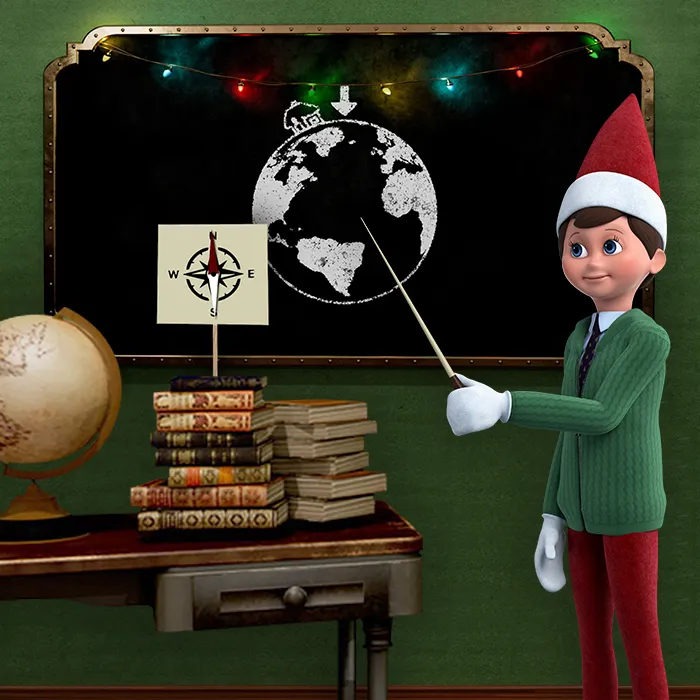
Scout Elf School™ is the official learning world where Santa’s Scout Elves train for their future Christmas missions, developing skills in science, maths, literacy, geography, problem-solving, creativity and communication.
Families and educators can explore free Scout Elf School videos, guides and printable activities through the UK Teacher Resource Center , with lessons covering everything from sleigh aerodynamics to polar poetry.
Quick answer: Scout Elf School™ is where Santa’s Scout Elves learn and train at the North Pole before beginning their Christmas missions. The free learning series turns their lessons into activities children can explore at school or at home.
What Is Scout Elf School™?
Scout Elf School is a real place in Santa’s North Pole story, where elves learn and train before becoming Santa’s official reporting Scout Elves.
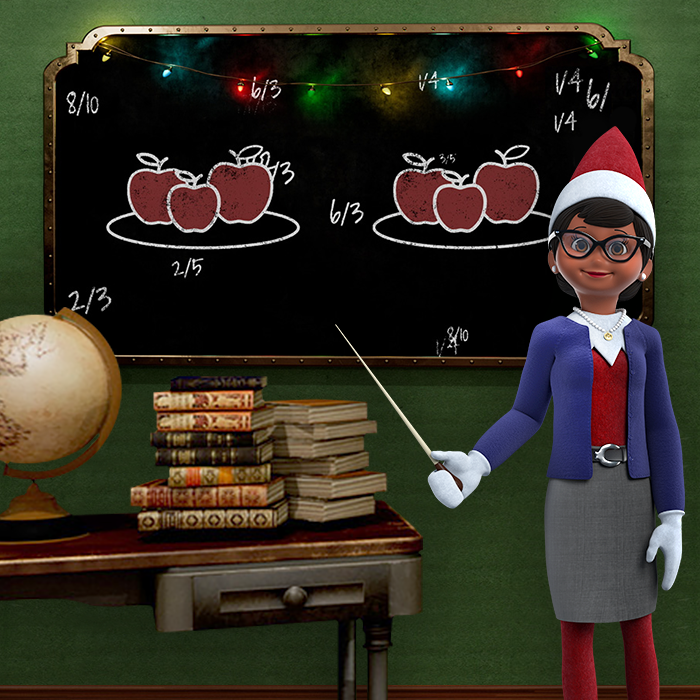
Professor Peppermint and Mister Mittens are two of the North Pole teachers helping Scout Elves through their lessons. The videos give children a peek inside the school while turning those magical lessons into real-world activities they can try themselves.
The current UK Teacher Resource Center includes 13 English Scout Elf School lessons, each combining a short video with a teacher guide and printable activity.
What Do Children Learn at Scout Elf School™?
The timetable moves from kitchen chemistry and fractions to poetry, navigation and logic. Each lesson begins with a North Pole idea, then gives children something practical to investigate, write, solve or create.
Cooking Class
Cooking Class explores the kitchen chemistry behind recipes. Children investigate solids, liquids and gases, practise measurement and discover why ingredients need to be combined in the correct quantities and order.
Mrs. Claus’ Famous Warm Cocoa helps bring the ideas together, with an optional hands-on recipe activity.
Extra! Extra! Read All About It
Scout Elves practise writing stories for the North Pole Newsletter while children explore headlines, bylines, lead paragraphs and the questions who, what, where, when, why and how.
They can then turn their own ideas into mini news stories and practise writing headlines that are clear and interesting.
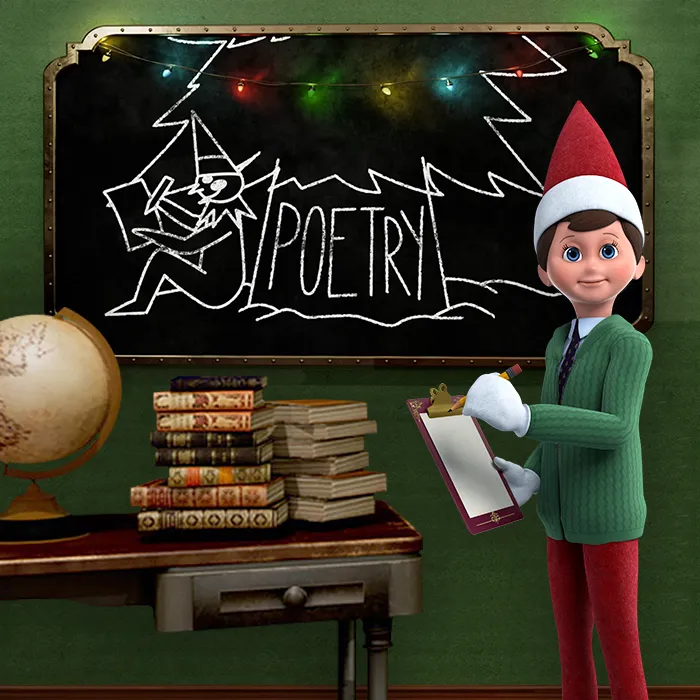
Polar Poetry
Polar Poetry encourages children to explore winter through feelings, imagery, rhythm, rhyme and carefully chosen words.
The printable activity then gives them a starting point for creating a winter poem of their own.
Arctic Animals
Arctic Animals introduces some of the ways animals survive cold environments, including body shape, coverings, breathing and other adaptations.
Yoga-inspired animal poses and breathing activities then help children explore movement, balance, concentration and self-regulation.
Gifts & Graphs
Scout Elf helpers need to organise information for Santa, which makes a natural introduction to collecting and interpreting data.
Children create personalised snow pals, gather information and turn the results into bar graphs, with opportunities to explore fractions, percentages and Venn diagrams too.
Sleigh Aerodynamics
Sleigh Aerodynamics explores some of the science behind Santa’s famous journey, including lift, drag and velocity.
Children can design and test paper aeroplanes, change variables and measure how different designs affect distance or flight time.
Snowflake Symmetry
Scout Elves explore the shapes, patterns and symmetry found in snowflakes.
Children investigate how snowflakes form and complete symmetrical designs, building geometry and spatial-reasoning skills along the way.
Polar Pep Talk
Scout Elves also practise the social and emotional skills that help them spread Christmas cheer.
Children think about how encouragement makes people feel, then combine positive words and phrases to create uplifting messages for themselves and others.
Polar Puzzles
Polar Puzzles teaches children to follow clues, eliminate impossible answers, make inferences and draw conclusions.
The activities progress through different logic challenges, including matching games and an Around the World puzzle.
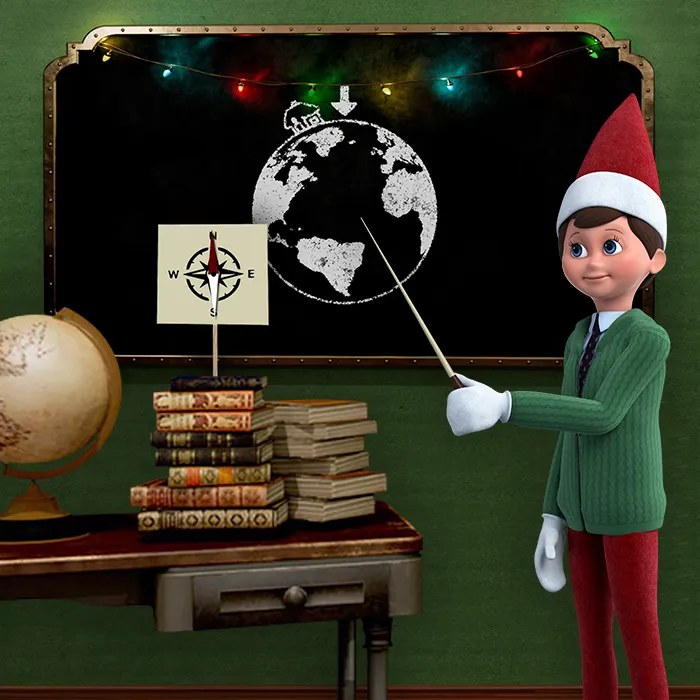
Compass Clues
Scout Elves may use Christmas magic to travel, but this lesson asks how humans would navigate their way around the world.
Children learn cardinal and ordinal directions, use a compass rose and follow routes across printable grids to decode secret messages.
Fruit Fractions
Fruit Fractions makes fractions easier to see by using visual models and real objects.
Children explore equal parts and equivalent fractions using fruit, then turn comparing fractions into a playful challenge using dice or cards.
Write Away
Write Away introduces the building blocks of a friendly letter, including the heading, greeting, body, closing and signature.
Children can practise handwriting, vocabulary and sentence structure before creating a letter of their own.
Funny Business
At Scout Elf School, being funny is serious Christmas-cheer business.
Children explore homophones, puns and spoonerisms, discovering how language can be rearranged for comic effect before trying joke writing and wordplay activities of their own.
Is Scout Elf School™ Only for Teachers?
Not at all. The Teacher Resource Center is designed to support classrooms, but the videos and activities can work just as well at home.
Pick one for a rainy Saturday, try a writing activity after school or turn one of the maths or logic challenges into a short family game.
There is no need to recreate a classroom at the kitchen table. Watch a video, choose an activity that catches their interest and let curiosity do the rest.
How Can Teachers Use Scout Elf School™?
For teachers, Scout Elf School works best as a ready-made spark rather than another job on the planning list. The UK Teacher Resource Center brings each video together with a lesson guide and printable activity, so teachers can choose something that already fits what their pupils are learning.
Many lesson guides also include different levels or extension options, making it easier to adapt the activity to the age and needs of the class.
Why September Is a Good Time to Discover Scout Elf School™
Christmas may still be a little way off, but September is when children are reconnecting with reading, writing, numbers and classroom routines. Scout Elf School gives families and teachers a natural way to bring a little North Pole curiosity into that moment.
It also gives children a glimpse of the bigger official world behind The Elf on the Shelf®. Scout Elves are part of Santa’s North Pole story, with training, responsibilities and a whole school of learning behind their important Christmas mission.
And because these activities happen while Scout Elves are still at the North Pole, there is no need to rush the Christmas tradition into September. The learning comes first, with just enough frost around the edges.
Scout Elf School™ FAQs
Where can I watch Scout Elf School?
You can find the Scout Elf School videos, guides and downloadable activities in the free Teacher Resource Center on the official UK The Elf on the Shelf website.
What subjects does Scout Elf School cover?
The current resources include science, maths, literacy, writing, poetry, geography and navigation, animals, confidence, logic and problem-solving activities.
Can parents use Scout Elf School activities at home?
Yes. Choose a video or activity that suits your child’s interests and use it as a short after-school, weekend or rainy-day activity.
Does my Scout Elf need to be home to use the activities?
No. The learning resources can be enjoyed while Scout Elves are still at the North Pole, making them a useful way to bring some North Pole curiosity into the autumn months.
Class Is in Session at the North Pole
Whether your child wants to investigate snowflakes, write a newspaper story or work out some of the science behind Santa’s sleigh, Scout Elf School has a lesson ready to explore.
Explore All Scout Elf School Lessons Discover More North Pole Fun